
Expert Concussion Advice: Call 385-522-5174 for the Fastest Response

Expert Concussion
Diagnosis & Treatment

Science-backed solutions for recovery—beyond just symptom management.

Green alpine valleys and rocky peaks in Utah’s Wasatch Mountains.
Three Utah LocationsClearfield · Murray · Pleasant Grove
About us

Comprehensive Concussion Care


At Concussion Pros, we go beyond diagnosis. Our approach combines cutting-edge testing with functional neurology, cognitive therapy, and lifestyle adjustments to help you recover faster and more completely. Whether you’ve had a sports injury, accident, or unknown head trauma, we’re here to guide you.

  • Comprehensive Brain Health Assessments

    We go beyond standard tests to evaluate cognitive function, balance, and overall neural health.

  • Personalized Recovery Plans

    Your brain is unique—your treatment should be too. We tailor nutrition, therapy, and rehab exercises to your needs.

  • Holistic Treatment Approach

    From functional neurology to guided mindfulness, we address the root causes—not just the symptoms.

  • Expert Team, Compassionate Care

    Led by specialists in concussion recovery, we provide a clear path to healing with ongoing support.

How we work

Your Path to Recovery


  1. Comprehensive Evaluation

    We assess your symptoms, cognitive function, balance, and brain activity.

  2. Personalized Treatment Plan

    From neurotherapy to diet and lifestyle modifications, we design a path to recovery that works for you.

  3. Active Recovery & Support

    We guide you step-by-step, adjusting treatments as you improve.

Why choose us

Four Phases of Active Concussion Recovery


Healing a concussion requires more than just rest. We combine multiple therapies to help restore brain function and reduce long-term symptoms.

  1. Phase 1 · First week post-injury

    Acute Recovery & Stabilization

    Focuses on reducing symptoms and preventing deconditioning through gentle neural stimulation, including basic vestibular education, oculomotor exercises, static balance training, and light cognitive tasks while limiting sensory overload.

  2. Phase 2 · Weeks 2–3

    Functional Reintegration

    Aims to increase tolerance to sensory stimuli and introduce light dual-tasking through more advanced vestibular and oculomotor exercises, dynamic balance training on unstable surfaces, and progressive cognitive challenges to improve system integration.

  3. Phase 3 · Weeks 3–5

    Neurofunctional Strengthening

    Builds tolerance to complex environments and reinforces coordination across systems through complex movement tasks in challenging visual environments, agility drills, sport-specific awareness training, and advanced executive function tasks.

  4. Phase 4 · Week 5 onward

    Return to Work, Play or School

    Focuses on achieving symptom-free function in complex environments through unpredictable movement training in busy settings, visual endurance tasks, and full cognitive loading with multitasking to restore complete sensory and motor integration.

Services

Get Your Personal Recovery Roadmap


EYEBOX

The first baseline-free, FDA-cleared device for aiding in concussion diagnosis. It collects 100,000 data points on pupil movements while the patient watches a short video and provides immediate results, known as the BOX score.

Read more about EYEBOX
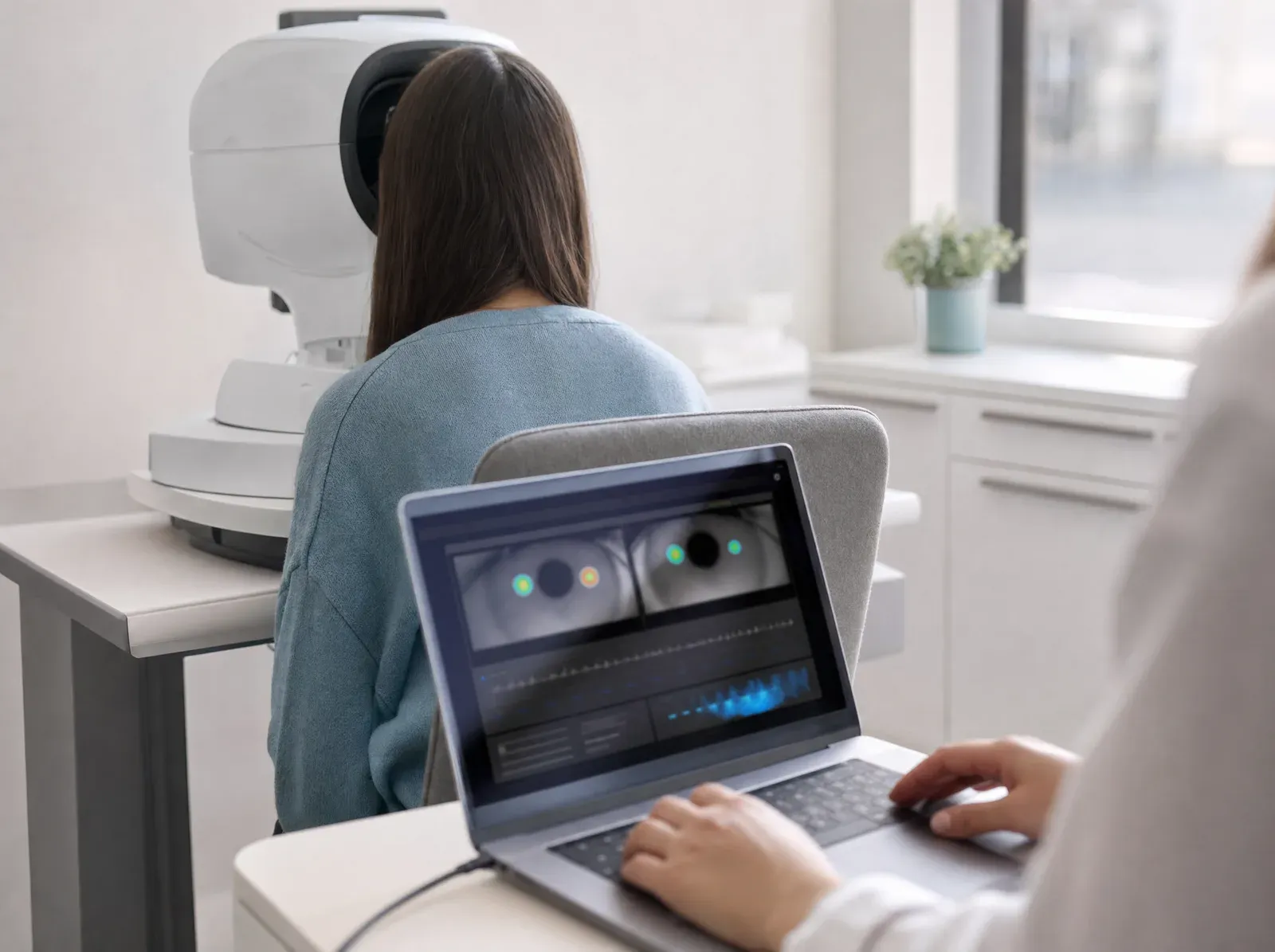
A patient seen from behind at an eye-tracking device, with a clinician's hands on a laptop showing a pupil-tracking readout.

ImPACT Baseline

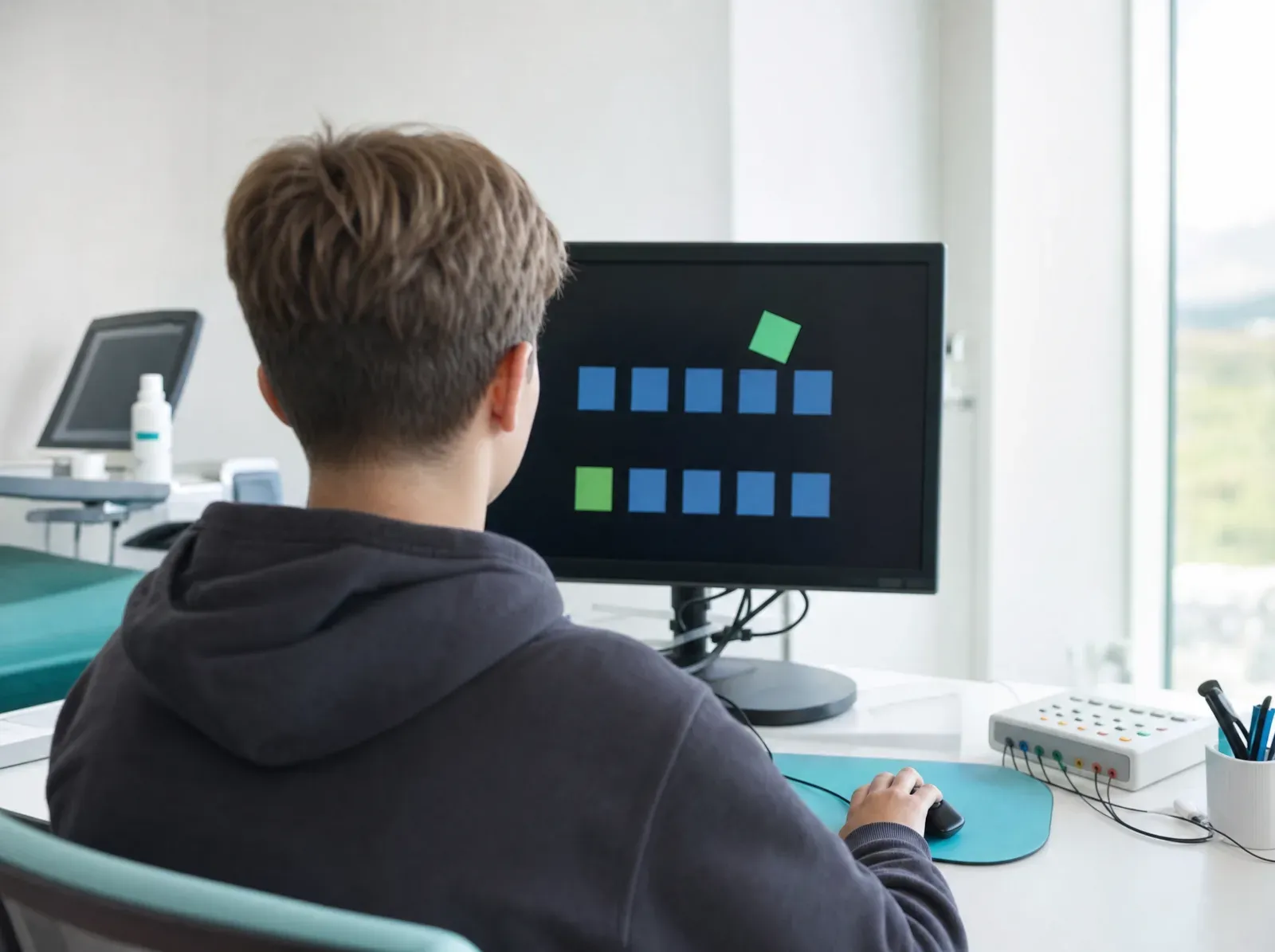
A series of game-like activities that measure reaction time, memory, and brain processing speed, giving doctors an accurate picture of healthy brain function. Post-injury testing assists in determining concussion recovery status and return-to-activity readiness.

Read more about ImPACT Baseline
Over the shoulder of a teenage patient completing a reaction-time test at a computer.

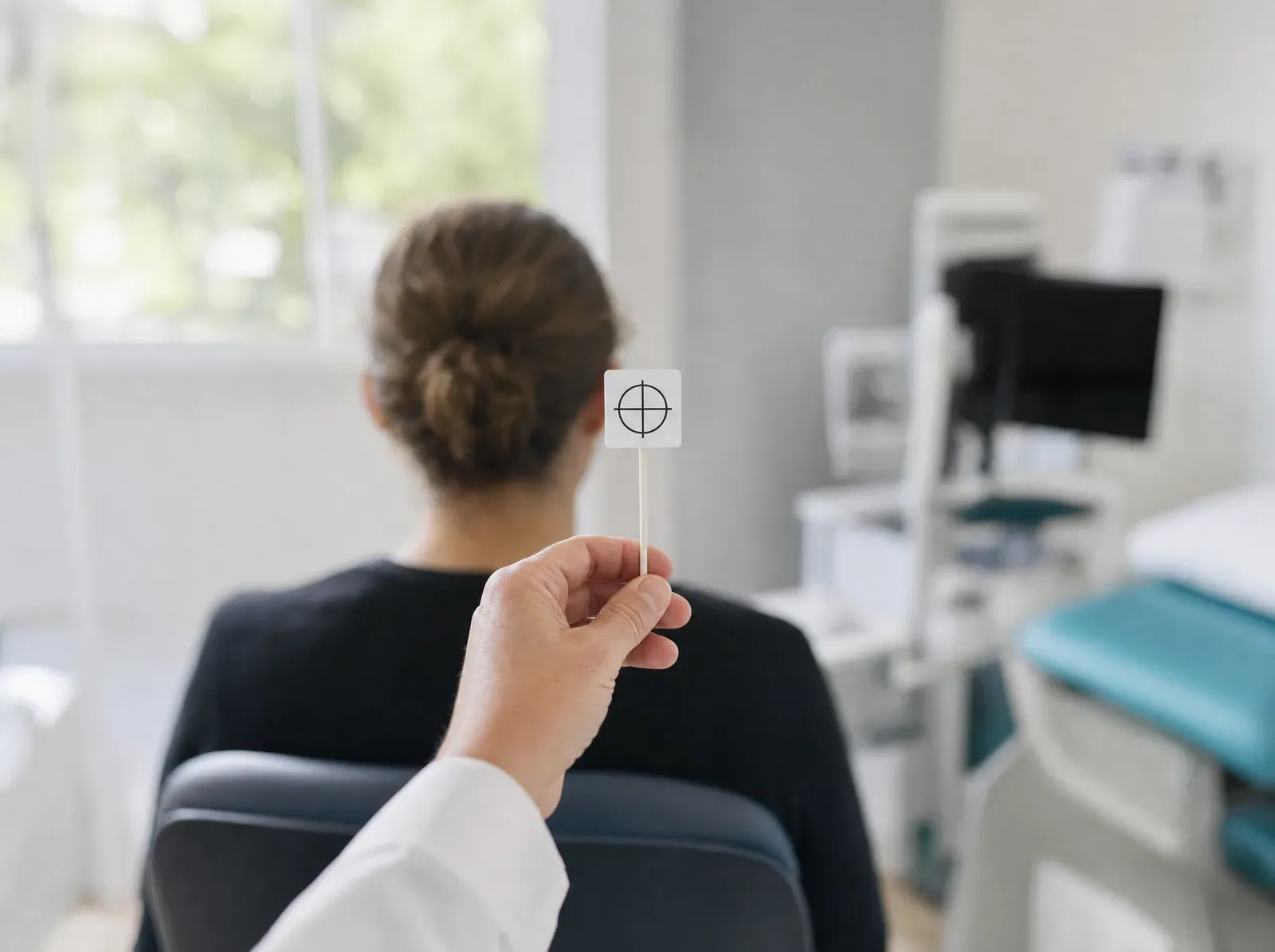
VOMs – Vestibular Oculomotor Screening Battery

A screening tool that evaluates eye movement in response to external stimuli to assess visual stability during head movement.

Read more about VOMs
A clinician's hand holding a small fixation target in front of a seated patient during vestibular screening.

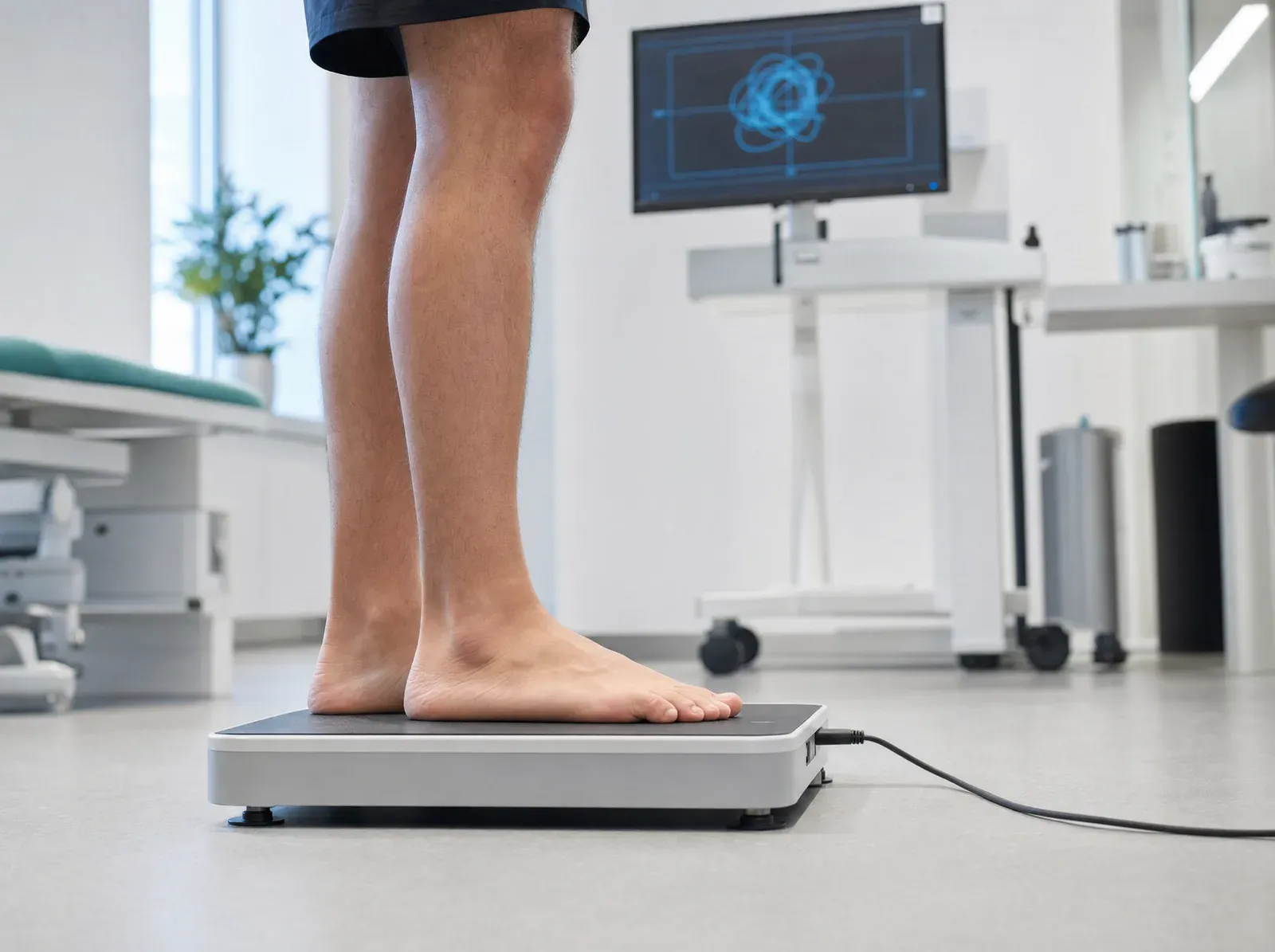
Balance Track System

A digitally sensitive force plate and integrated software that assesses balance by measuring vision-biased, proprioception-biased, and vestibular-biased responses.

Read more about Balance Track System
A patient's bare feet standing on a digital force plate, with a sway trace on a monitor behind.

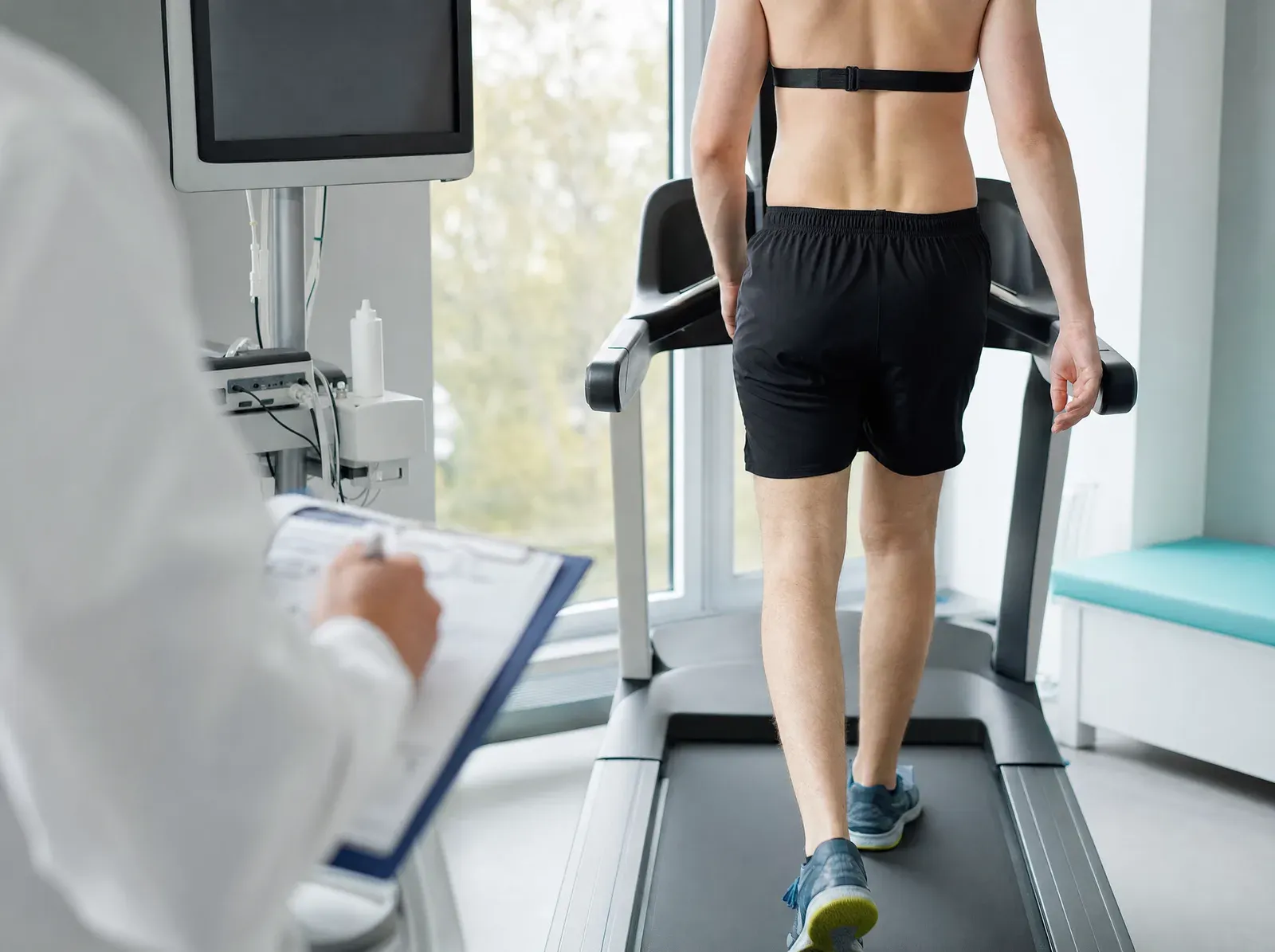
BCTT – Buffalo Concussion Treadmill Test

An endurance test using a treadmill to establish an exertion threshold for cardio-based exercise to safely improve cerebral blood flow.

Read more about BCTT
A patient walking on a treadmill wearing a heart-rate strap, with a clinician recording results on a clipboard.
Request a call

Speak to a Concussion Pro


Tell us what happened and which clinic is closest. We will call you back.

Call: 385-522-5174
Email: info@concussion-pros.com

Please don’t include medical details you would not want sent by email. If this is an emergency, call 911.

Articles & podcasts

Read the Latest in Clinical Research


Morning sunlight falling through tall windows across a quiet, empty treatment room.

Benefits of Sunlight on Traumatic Brain Injury

Research suggests Vitamin D from sunlight plays a beneficial role in neuroprotection and improves outcomes after traumatic brain injury by modulating inflammation and oxidative stress.

Line illustration of a human brain in profile.

Concussion and Low Testosterone

If you're experiencing symptoms of low testosterone after a concussion, it’s important to consult a healthcare provider familiar with post-concussion syndrome and hormone health.

All research & articles